Product clarity
Product pages are structured so a visitor can find the details they need without digging.

Make shopping feel simple
An online store that helps people find the right product, understand it and feel ready to buy.
We plan the catalogue, product pages and checkout journey around your range and the way you run your business.
A commercial system
A good ecommerce website does more than list products. It has to help a stranger understand what you sell, trust the business enough to pay and get through checkout without giving up halfway.
Kavera builds ecommerce websites for Australian product brands that need product pages people actually read, a checkout flow that keeps momentum and pricing that is clear from the first conversation.
The build also has to keep working after launch. Stock changes, prices update, new products get added and platforms need maintaining, so the store needs to stay easy to run long after the first order comes through.
Why Kavera
Kavera focuses on the parts of an ecommerce build that affect whether people actually buy: product clarity, checkout confidence, pricing transparency and a store that stays easy to maintain.
Product pages are structured so a visitor can find the details they need without digging.
Cart, shipping and payment steps are designed to remove friction and hesitation.
Once the store is live, updates, monitoring and small changes are part of the plan, not an afterthought.
What is included
Scope changes with catalogue size and platform but every ecommerce build has to get these four parts right.
Photography, structured detail, variant or stock information and trust signals need to sit in a layout that helps a visitor decide, not just scroll past.
Cart, shipping, payment and confirmation steps are mapped out before build starts, so the path from add-to-cart to paid order stays short and clear.
Ecommerce projects can grow quickly once integrations, product volume and content are added, so scope and cost are set out clearly before work begins.
A store needs upkeep once it is live. Platform updates, small content changes and monitoring are part of the plan, not something left for the business to work out alone.
Process
We start with what you sell, who buys it and how they decide. Catalogue size and product type shape the rest of the build.
Platform choice is a discovery decision, not a default. Catalogue size, integrations and budget determine what fits, whether that is an established platform or a custom build.
Layouts are designed around product education and checkout confidence, then tested against how a real buyer would move through the store.
Payment, shipping and inventory are connected and tested, along with mobile layouts, page speed and the paths that matter most to a sale.
Once the store is live, maintenance keeps it running properly: platform updates, monitoring and support for catalogue or content changes.
Pricing
Ecommerce pricing depends on catalogue size, platform, custom design and the integrations the store needs on day one.
Each online store is scoped around catalogue size, platform choice, design, content preparation, integrations and migration. Platform fees and product imagery are separate.
Selected work
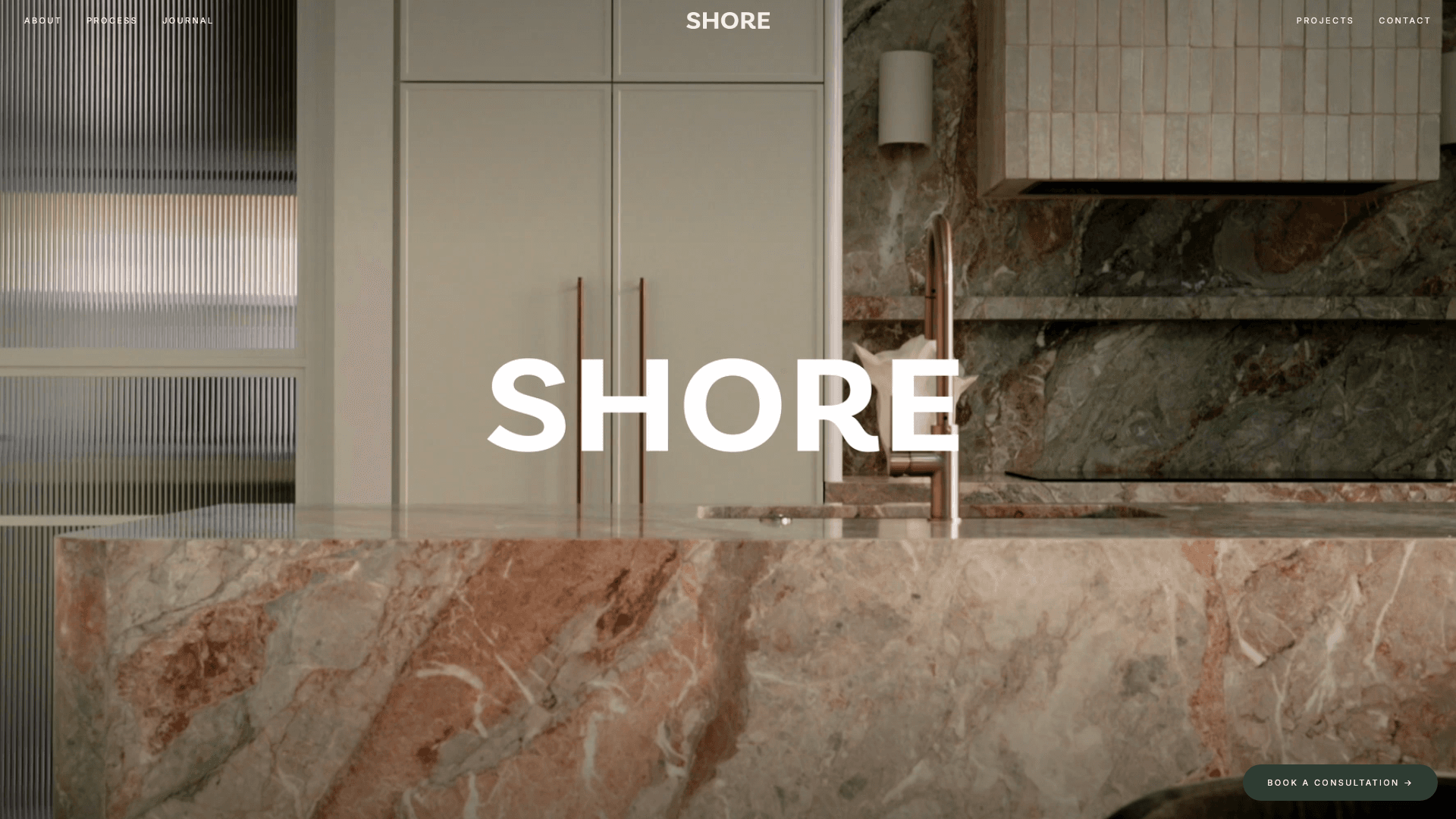
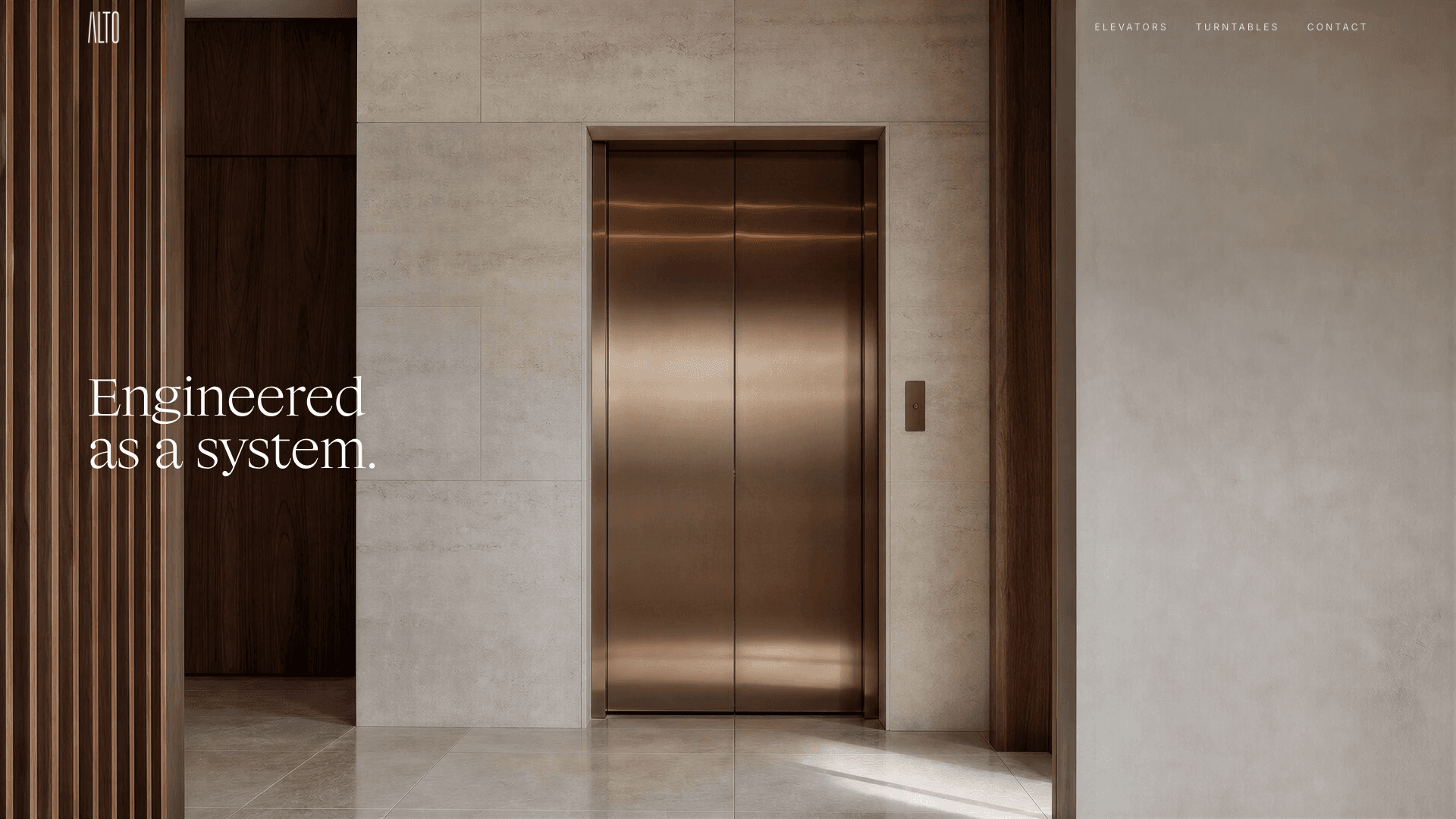
See our website design work for SHORE and Alto Elevators. These are business website projects. Ecommerce scope and inclusions are set out above.
Related services
See the broader Kavera website service behind ecommerce builds and custom sites.
See custom website designIf the store is really a small business that also sells a handful of products, start with the small business scope instead.
See small business website designIf your existing store needs a rebuild rather than a fresh start, begin with a redesign.
See website redesignFAQ
Our packages are Shopify Launch (a Shopify store for smaller catalogues of up to 20 products), Custom Ecommerce (21 to 50 products or bespoke requirements, including some smaller catalogues) and Advanced Ecommerce (unlimited products). Platform fees and product imagery are separate; content preparation, integrations and migration are scoped to each project.
Shopify can suit a smaller catalogue. For Custom Ecommerce and Advanced Ecommerce, platform choice remains a discovery decision based on your catalogue, budget, integrations and the control you need over checkout and design. We review other suitable platforms and custom builds before recommending what fits the scope.
Yes. Migrations can include moving products, content and design across to a new platform or a rebuilt version of the current one. Scope depends on catalogue size and what needs to carry across.
Maintenance plans cover platform and security updates, monitoring and small content or catalogue changes, so the store keeps running properly after launch.
Timelines depend on catalogue size, custom design and integrations. Starter scopes move faster than larger catalogues with bespoke product page design or complex checkout requirements.
Tell us what you sell. We’ll work out what your store needs.